
The Miramar Slider Problem (And the Fix That Pays for Itself)
Every 2000s Miramar home has the same 10-foot rear slider. It is the biggest single energy leak and storm risk in the house. Here is what changes when you replace it.
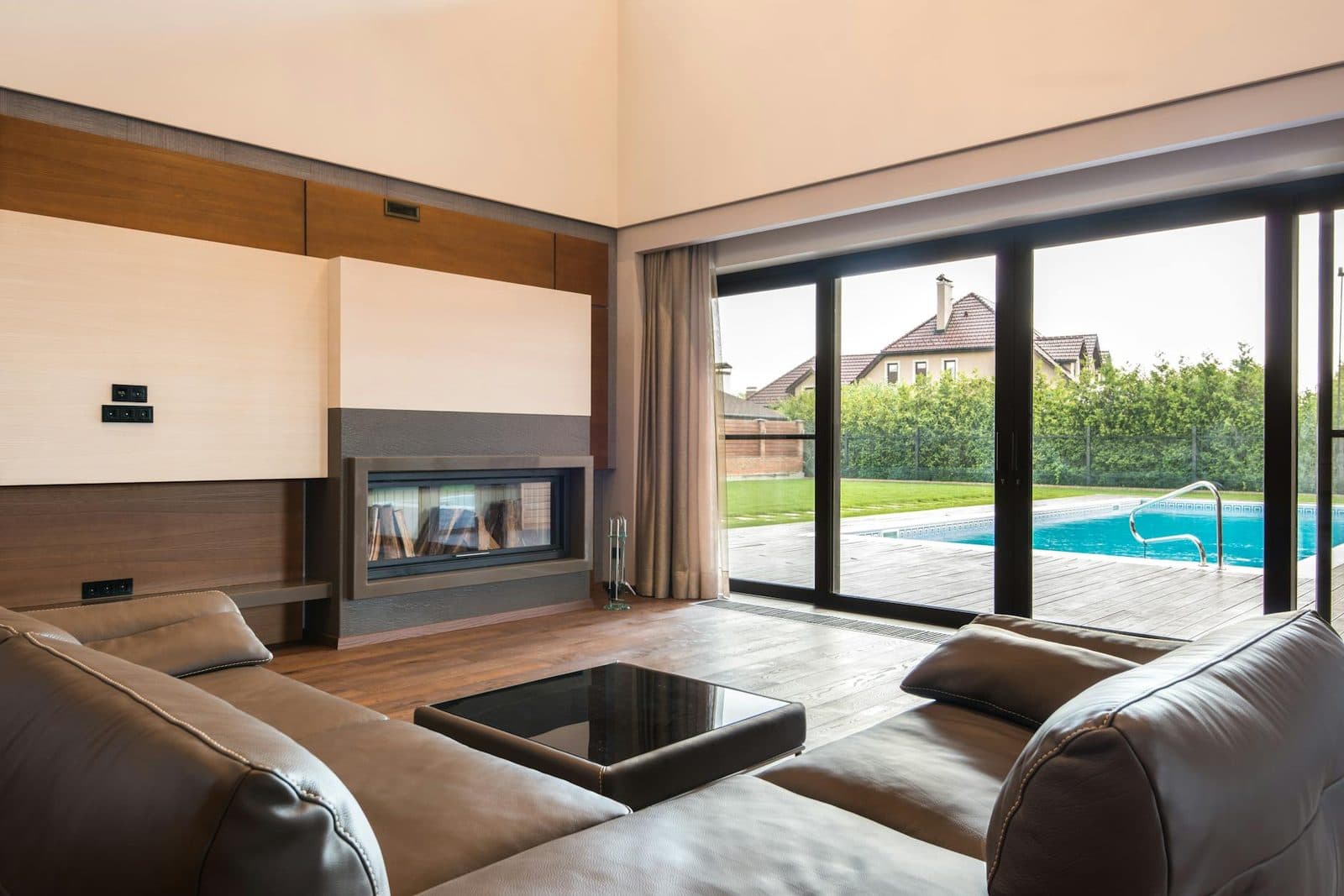
Walk through any 2000s Miramar subdivision (Silver Lakes, Riviera Isles, Sunset Lakes, the corridor south of Pembroke Road) and you will see the same architectural feature in every home. A big aluminum sliding glass door across the back of the great room, opening to the patio or the pool. Sometimes eight feet wide. Often ten or twelve. Two or three panels.
That slider is the single biggest energy leak, the single biggest storm risk, and the single biggest opportunity for an impact-window upgrade in your house. Here is why.
Why the slider is the worst opening in the house
It is big. A standard 10-foot 3-panel slider has about 80 square feet of glass surface area. That is more than three or four bedroom windows combined. Everything that affects window energy performance scales with surface area: solar heat gain, conductive heat transfer through the frame, air infiltration around the seals, UV transmission. The slider has more of all of it.
It is operated. The bottom track has weep holes, the rollers are mechanical, and the gasket sealing is engineered for both the open and closed positions. Twenty years of use, salt-air corrosion on the rollers, dust accumulation in the tracks, and weather-stripping that has compressed beyond useful: the slider does not seal the way it did on day one.
It is structurally vulnerable. A failed slider during a storm is the most common single-point failure in 2000s South Florida homes. The wind pressure equalizes between inside and outside, the roof becomes a sail, and the catastrophic damage chain starts there.
The impact slider upgrade
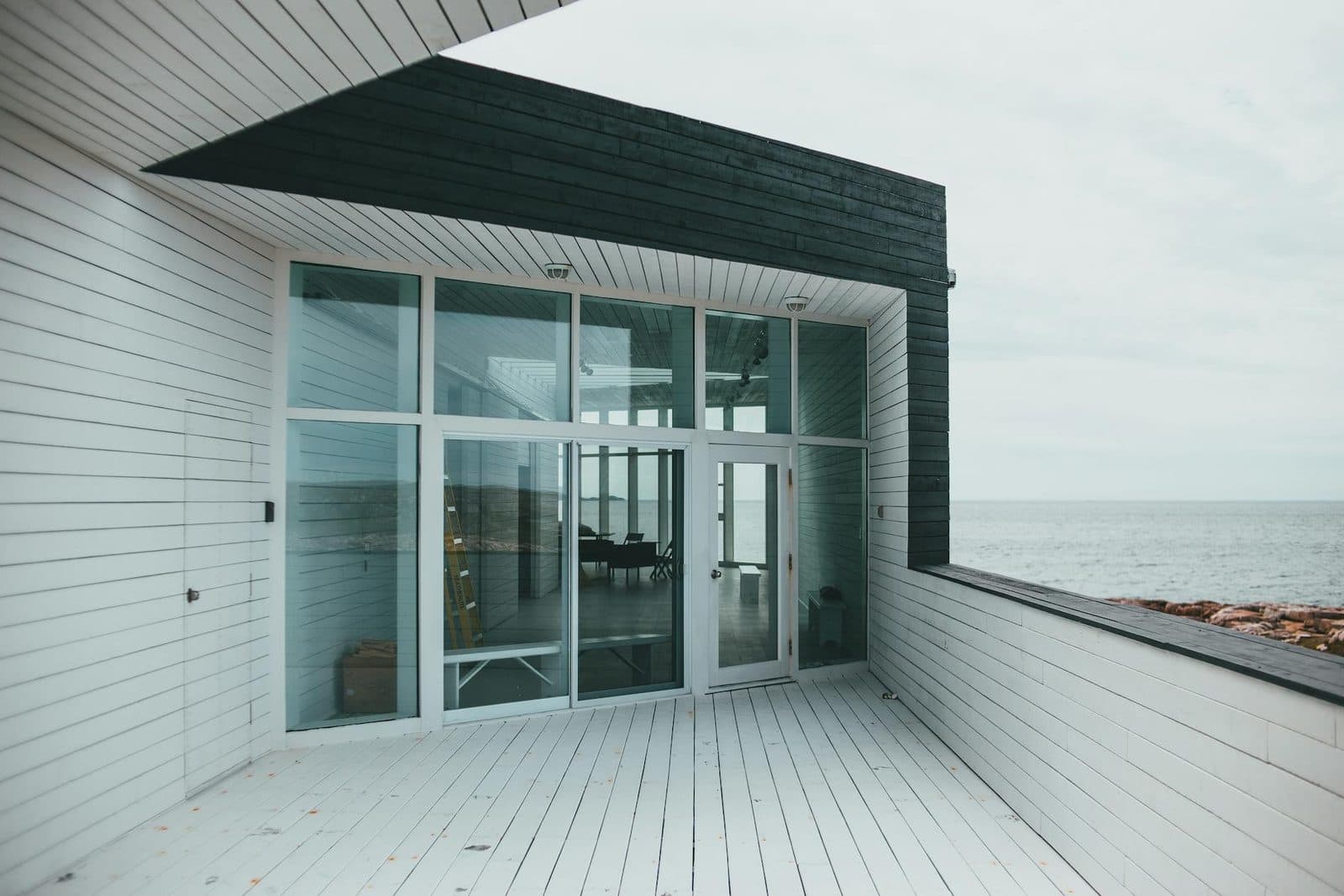
A modern impact-rated sliding glass door is engineered for all of these issues. The frame is thermally broken (aluminum on the inside and outside with an insulating polyamide separator in the middle). The glass is laminated impact-rated with Low-E coating and argon fill. The rollers are sealed and rated for hurricane wind loads. The gasket sealing actually does its job.
For most 2000s Miramar homes the impact-slider upgrade is the single highest-payback opening on the house.
What changes on day one
The AC starts running less. The cool air stays in the room rather than leaking out around a tired slider seal. South-facing and west-facing rear sliders are particularly noticeable in the afternoon. Most Miramar homeowners see meaningful drops in summer cooling cost after the install.
The outside noise drops. The lawn equipment, the pool service truck, the kids in the pool at the neighbor's house: laminated impact glass cuts the noise meaningfully. Not silence. Just a reduction.
The UV blocking starts working. Floors near the slider stop fading. Furniture in the back of the great room stops losing color. Artwork on the wall opposite the slider keeps its pigments.
What changes in November
The first time a storm watch goes up after the install, you do not move plywood or storm panels. You sit in the great room and watch the weather. That is the value of impact glass that nobody buys until they have lived through it.
What changes at insurance renewal
If you replace the slider AND ensure every other window and door on the house is impact-rated (or has approved shutters), your insurance carrier applies the maximum opening-protection credit at renewal. For most Miramar homes the annual premium drop is meaningful.
The slider alone, without the rest of the house upgraded, does not get the full credit. The wind-mitigation inspector marks it as partial opening protection. Plan the whole house even if you phase it across two seasons.
The hardware decision
For most Miramar 2000s homes we install a PGT WinGuard impact slider in a 3-panel or 4-panel configuration with a center latch system. CGI Estate is available for homeowners wanting heavier extrusions and a more substantial look. Both come in the standard white, bronze, almond, and black frame colors.
For the rare custom configuration (5-panel sliders, pocket sliders, oversized openings beyond standard), ES Windows is the import option.
The PGT and CGI lines are both approved across most Miramar HOAs. We pull your community spec before contract, bring physical samples, and submit the documentation.
The install detail
A typical impact-slider install runs 1 to 2 working days for a single slider, depending on the configuration. The crew removes the existing slider, prepares the opening, installs the new impact unit, seals the perimeter with the manufacturer-approved sealant for the substrate, and trims out the interior.
The Broward County permit covers the work. We pull it at signing, the inspector signs off, and the install closes out.
The financing piece
For homeowners doing the slider as a standalone project (not part of a full-house install), the cost is meaningful but not extreme. We work with Service Finance, Renew Financial, GoodLeap, and Ygrene. Qualified Miramar homeowners can finance the project across monthly payments. Some programs offer zero down for the first 12 to 18 months.
The honest recommendation
If you can afford the full-house install, do it. The wind-mitigation credit math is the strongest case for the whole-house upgrade.
If you can only do one opening, the rear slider is the right choice in almost every 2000s Miramar home. The payback per dollar spent is the highest of any single opening. You can come back later for the bedroom windows.
If your Miramar slider is on its original 2003 rollers and you have been telling yourself for three years that you will deal with it, we are happy to walk the opening and quote the upgrade. The exact cost depends on the configuration. The math usually works.