West Kendall Sliders Are Why People Lose Their AC Money
That big 1990s rear slider is bleeding cool air every minute the AC runs. Here is what an impact-slider replacement actually does to your monthly bill.
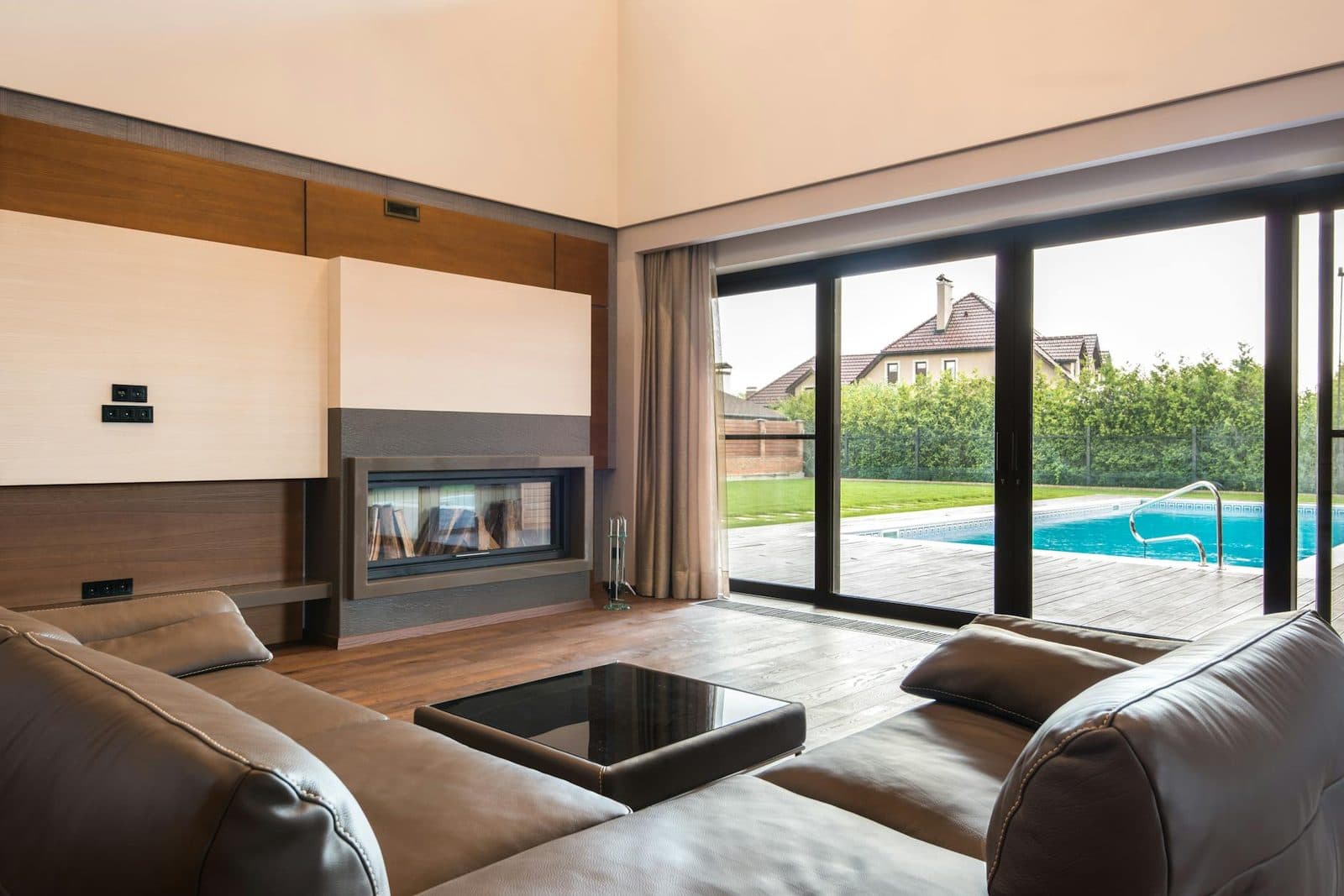
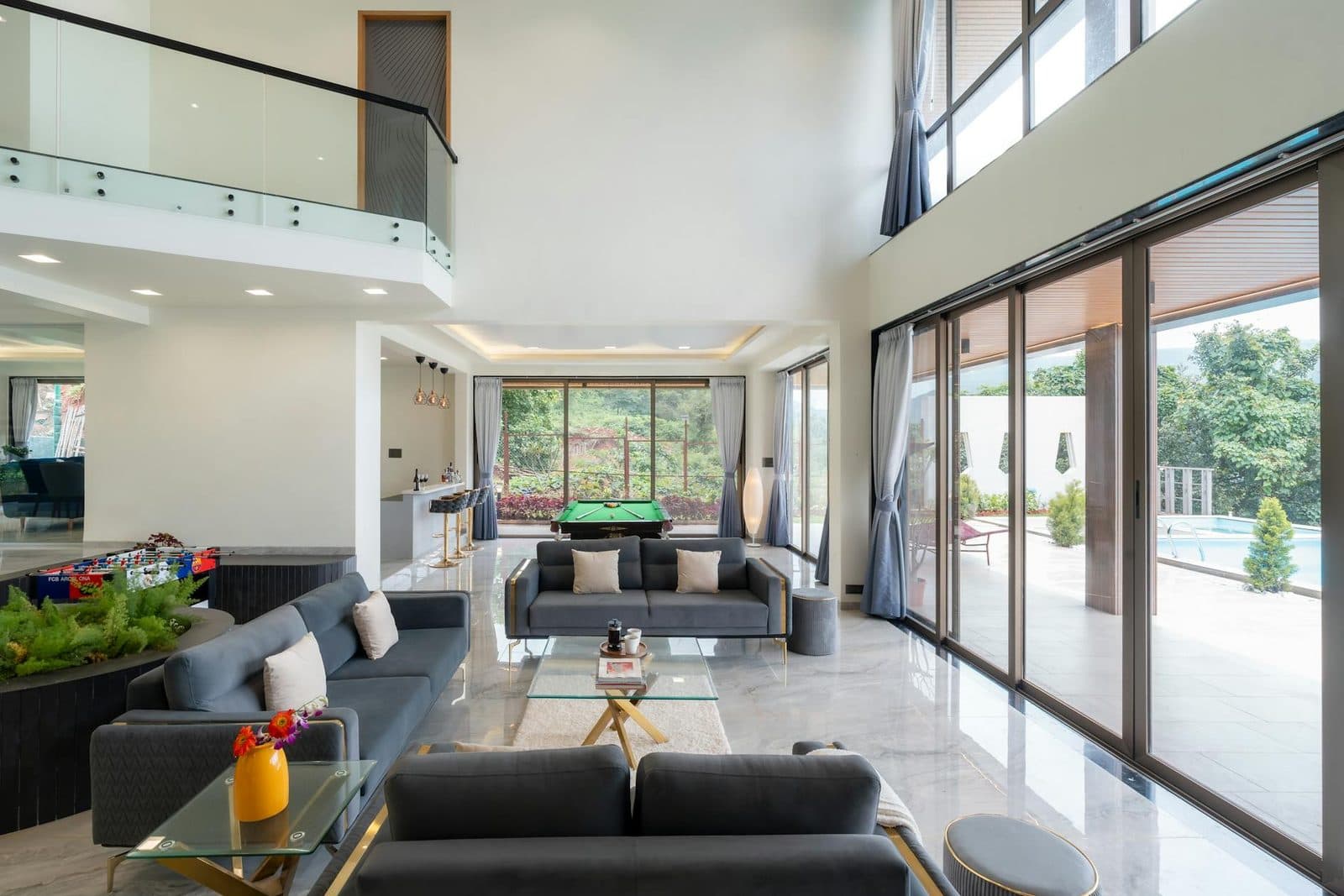
If you live in West Kendall and your house was built between 1990 and 2008, you have a builder-grade aluminum sliding glass door at the back of your living room or family room. It is probably eight feet wide, occasionally ten or twelve. Two or three panels. The rollers are tired, the seal is gone, and the lock works when it feels like it.
That slider is the single most expensive line item on your electric bill that you have never seen on your electric bill.
Here is what is happening.
The slider as energy leak
A typical 1990s aluminum slider in West Kendall has zero thermal break in the frame. Aluminum conducts heat like a copper pipe. The afternoon sun heats the entire frame, which then radiates heat into your living room. The glass itself is single-pane or builder-grade dual-pane with no Low-E coating, so most of the solar heat just walks through.
The weather-stripping has compressed and torn over the years, so even when the slider is closed, there is meaningful air infiltration around the perimeter. Your AC is conditioning the air that just leaked in.
Then there is the door operating. The rollers and tracks at the bottom of the slider are corroded enough that the door does not seal tightly anymore. You can sometimes feel the gap with your hand. The AC bill reflects all of this.
What the impact slider replacement does
A modern impact-rated sliding glass door (PGT, CGI Estate, ES Windows) has a thermally-broken frame, laminated impact glass with Low-E coating and argon fill, and gasket sealing that actually does its job. The roller mechanism is sealed and rated for hurricane wind loads.
The net effect on your AC bill is real. Most West Kendall homeowners see noticeable drops in cooling cost after a full impact-slider install. The exact number depends on your home, your usage, and your old slider's condition, but the savings is consistent enough that we mention it in the estimate without exaggerating.
The storm protection nobody thinks about until they have to
A modern impact slider is rated to withstand the missile-impact and cyclic-pressure tests of the Miami-Dade NOA. In plain English: a piece of debris that would shatter the original aluminum slider into your living room bounces off the impact glass. The glass may crack but it does not let the wind into the house.
That matters because the moment a window or door fails during a hurricane, the wind pressure inside the house equalizes with the wind pressure outside, and the roof becomes a sail. Most catastrophic hurricane damage to South Florida homes starts with a single opening failure. Impact glass on the rear slider closes the biggest possible failure point.
The wind-mitigation credit
When every opening on your West Kendall home is impact-rated (the front door, the bedroom windows, the casement windows on the side, and the big rear slider), your insurance carrier applies the wind-mitigation credit at renewal. For most West Kendall homes the annual premium drop is meaningful.
The catch is that partial installs do not get the full credit. If you install the rear slider but skip the bedroom windows, you do not collect the full premium savings. The math works best when you plan the full-house install, even if you phase it across two seasons.
Phasing the project
A lot of West Kendall homeowners cannot afford to do the entire house in one shot. Here is how we usually phase it:
Phase one: the rear slider (biggest energy and storm-protection leak), the front entry door, and the kitchen window or the dining window if it is on a south-facing wall.
Phase two: the remaining bedroom and bathroom windows, the side casements, and any custom shapes.
After phase two completes, you submit the wind-mitigation report and collect the full insurance credit. Most homeowners can finish phase two within a year or two of phase one.
The financing option
We work with Service Finance, Renew Financial, GoodLeap, and Ygrene. Qualified West Kendall homeowners can split the project across monthly payments. Some programs offer zero down or no payments for the first 12 to 18 months. The new lower insurance premium and the AC bill savings often cover a meaningful chunk of the monthly payment.
We mention it because it comes up. No pressure to use it.
Manufacturing lead time and what to plan for
Standard PGT impact sliders ship in 4 to 8 weeks from order. CGI Estate runs 6 to 10. Custom configurations (3-panel or 4-panel sliders, oversized openings, special colors) push to 10 to 12 weeks. If you want the install done before hurricane season starts, sign by February or March at the latest.
The install itself is usually 3 to 7 working days for a full-house job. Sliders specifically take more crew time than standard windows because of the weight and the precision needed for the track alignment.
HOA considerations in West Kendall
A lot of newer West Kendall gated communities have published frame color and grid pattern requirements. We pull your community's spec before contract, bring physical samples to your house, and submit the documentation. Approval timing varies from a week to a month depending on the committee.
The standard spec is usually white frames with no grid for sliders, or white frames with colonial grids for double-hung and single-hung windows. We bring you what your community will actually approve, not what we want to sell.
If your West Kendall rear slider is the project you have been putting off, the AC season is when it pays the most. We are happy to walk the house and itemize the quote by opening so you can see exactly where the spend goes.