How Long Do Florida Roofs Last? An Honest Answer by Material
Realistic lifespan for shingle, tile, and metal roofs in South Florida, the factors that shorten or extend it, and the signs your roof is closer to the end than you think.
Florida roofs work for a living. The sun, the humidity, the salt air, the summer rain, and the occasional hurricane all take a toll on a roof in ways that roofs in other parts of the country never deal with. So how long does a roof actually last in Florida. The honest answer depends on the material, the install quality, and the climate at your specific address.
Architectural asphalt shingle
Manufacturer warranty: 25 to 30 years (lifetime on premium classes).
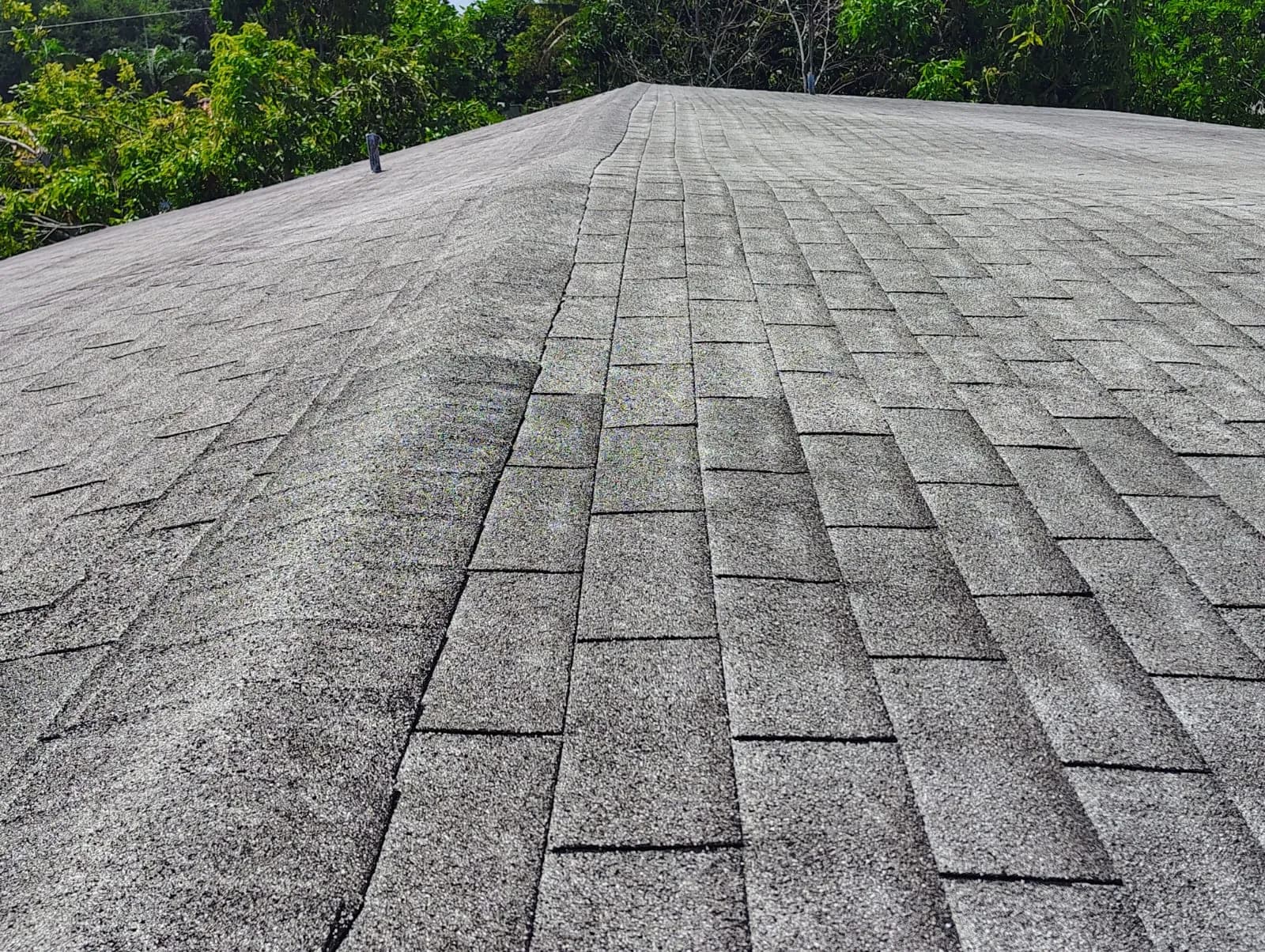
Realistic Florida lifespan: 18 to 25 years on a well-installed roof in a typical South Florida climate. 22 to 28 years if the home has good attic ventilation, is in a moderate sun-exposure area, and gets routine debris cleanup.
What shortens it: aggressive UV (south and west-facing slopes), salt air (within a mile of the coast), poor attic ventilation (which traps heat in the deck and bakes the shingle from underneath), tree debris accumulation (which traps moisture against the shingle), and installer shortcuts (wrong nail pattern, missing peel-and-stick, undersized drip edge).
What extends it: algae-resistant shingle with reflective granule blend, ridge ventilation properly balanced with soffit intake vents, zinc strips at the ridge to inhibit algae and moss on shaded slopes, regular gutter cleaning, and a proper install with peel-and-stick at the perimeter.
Concrete tile
The tile itself: 50 to 100 years.
The underlayment: 25 to 40 years.
Realistic Florida lifespan for a tile roof system: the underlayment determines when you re-roof. The tile gets reset or replaced when the underlayment fails, not the other way around.
What shortens the underlayment: poor original install (felt instead of peel-and-stick, undersized drip edge, missing valley metal), tile shifting over time which damages the underlayment beneath, and broken tiles that allow direct water exposure to the underlayment.
A 2026 tile roof with current-spec peel-and-stick underlayment over the full field should hit the upper end of the 40-year range, and possibly longer.
Clay tile
Same as concrete tile for the system lifespan. The clay tile itself can last 75 to 100 years, but again the underlayment is the limiting factor.
Clay handles direct sun and salt air slightly better than concrete tile in coastal homes. The visual upgrade is also meaningful for Mediterranean Revival and Spanish Colonial architecture.
Standing-seam metal
Manufacturer warranty: 40 to 50 years on the metal, 25 to 30 years on the Kynar finish.
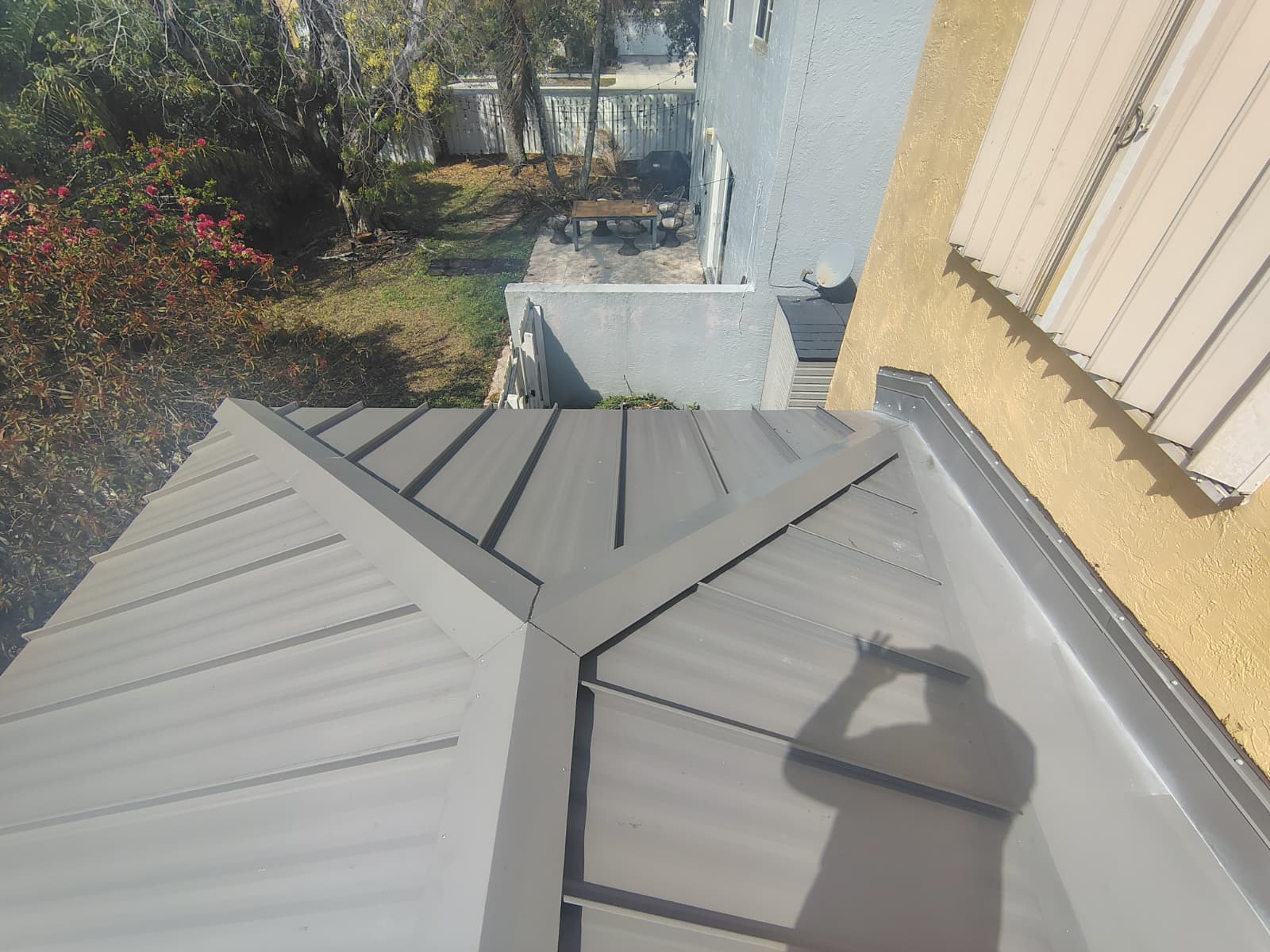
Realistic Florida lifespan: 40 to 70 years on a Galvalume or aluminum standing-seam system. The finish may need refreshing at the 30-year mark but the panels themselves can run much longer.
What shortens it: salt air corrosion on the wrong substrate (using galvanized steel where aluminum should have been spec'd), poor fastener choice (using non-stainless fasteners on a coastal home), and incompatible flashing metals causing galvanic corrosion.
What extends it: aluminum panels for direct coastal exposure, Galvalume coated steel with Kynar finish for inland Florida, stainless steel fasteners throughout, and proper flashing detailing at every penetration.
Metal is the longest-lasting residential roof in Florida by a meaningful margin.
Stone-coated steel
Manufacturer warranty: 50 years.
Realistic Florida lifespan: 40 to 60 years.
A good middle option that looks like shingle or tile but performs structurally like metal. The stone coating on the steel handles salt air better than standard galvanized metal and absorbs UV without fading.
Flat or low-slope membrane (TPO, modified bitumen)
Manufacturer warranty: 20 to 25 years.
Realistic Florida lifespan: 15 to 22 years.
Flat roofs in Florida are usually on additions, porches, sunrooms, and commercial-style residential. The membrane system itself is reliable when installed correctly, but the seams and penetrations are where failures happen.
The factors that matter more than material
Five things move Florida roof lifespan more than the choice of material.
Install quality: a perfectly installed shingle outlasts a poorly installed tile. The crew, the fastener pattern, the underlayment, the flashing details, and the cleanup all matter.
Attic ventilation: a roof on a properly ventilated attic outlasts a roof on a baking attic by a decade or more. The ridge-vent-and-soffit-vent balance is the single most important non-obvious factor.
Sun exposure: south and west-facing slopes wear faster than north and east-facing. We see this every time we re-roof: the south slope is at end-of-life while the north slope still has years left.
Coastal proximity: within a mile of the ocean, salt air shortens fastener and finish lifespan meaningfully. Coastal installs need salt-rated materials and stainless or coated fasteners.
Tree canopy: trees keep the roof cool (good for shingle UV wear) but trap moisture against the shingle and the underlayment (bad for organic growth and underlayment lifespan). Mature tree canopy roofs need more frequent inspection.
Signs your roof is closer to the end than you think
A few things to watch for:
Granule loss showing in the gutters. The colored sand that used to be on the shingle is now collecting in your downspouts. Once granule loss is meaningful, the shingle is rapidly approaching end of life.
Curling, cupping, or tabs lifting at the edges. The asphalt mat under the granules is brittle and the shingle has lost its flexibility.
Streaking and algae on shaded slopes. Cosmetic at first, but a sign of moisture retention that accelerates underlayment wear.
Visible nail pops or cracks. Means the deck is moving or the fastener is compromised.
Soft spots when you walk on the roof. Decking damage from prior leaks, which means the next storm is finding the same path.
Increasing insurance premiums or "roof too old" notes on renewal. Carriers are increasingly tightening on roofs over 15 years.
When to replace versus when to wait
We never push a replacement on a homeowner who does not need one. If your roof has years of life left and the install is sound, we will tell you that and recommend you wait.
If your roof is at the end of its life, replacing it before the next major storm season (versus after a claim) gives you the upper hand: you choose the timing, the material, the contractor, and the financing path. Reactive replacements after storm damage are almost always more expensive, more rushed, and more stressful.
If you are not sure where your roof stands, the free inspection is just an honest read on the roof's actual condition. No pressure. Just the math, before the weather does it for you.